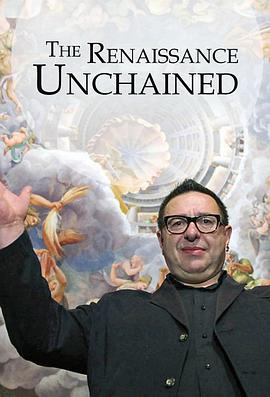
这部纪录片玩的就是“解谜”的快感。 画面色彩浓烈,旁白充满激情与感染力,既有通俗幽默的解说,又不失深厚的艺术考究。他像拆解盲盒一样,用犀利的吐槽和风趣的口吻,把冰冷的名画变成了鲜活的故事。如果你想了解艺术史,但又觉得教科书枯燥,这部充满烟火气和反叛精神的节目绝对值得一看。 无论是本尊出镜解说,还是他对文艺复兴时期艺术巨匠、荒诞轶事的重新解读,都妙趣横生。别指望它能给你带来高深的学术研读,它就是那种让你忍不住边看边“咦?原来是这样!”的优质下饭神剧。
According to Giorgio Vasari, the first art historian, the Renaissance was centred on a revival of interest in classical art that began and flourished in Italy. Waldemar disagrees, and accuses Vasari of errant jingoism. In fact, the most significant early developments in Renaissance art took place not in Italy, but in the ‘barbarian’ lands of Flanders and Germany. Instead of understanding the Renaissance as a return to classical models, we should see it as a climax of medieval values - an epoch of huge religious passions and powerful human emotions.
The series will celebrate material that is new to television. Waldemar will include art that is not usually thought of as Renaissance art. This will involve 're-classifying' what is sometimes called Late Gothic, and showing it off as a marvellous and native artistic tradition, particularly in the remarkable field of polychrome sculpture. On top of all the new art to be introduced, Waldemar will also look from fresh and intriguing angles at many of the established Renaissance giants, including Michelangelo in the Vatican, Leonardo in the Louvre, Botticelli in the Uffizi and Van Eyck in Ghent.
相关搜索:
文艺复兴的实质文艺复兴终究复兴了什么文艺复兴为什么叫文艺复兴文艺复兴具体时间文艺复兴开始